Skip to content
Super Sprayers
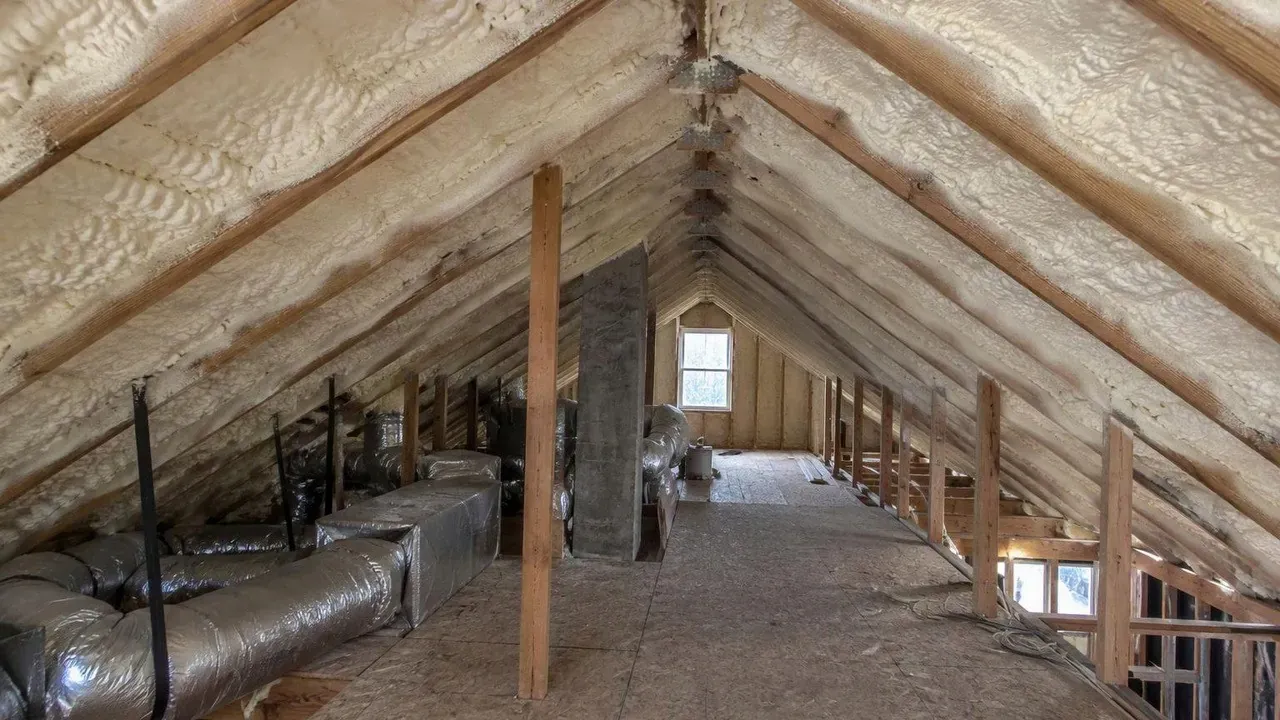
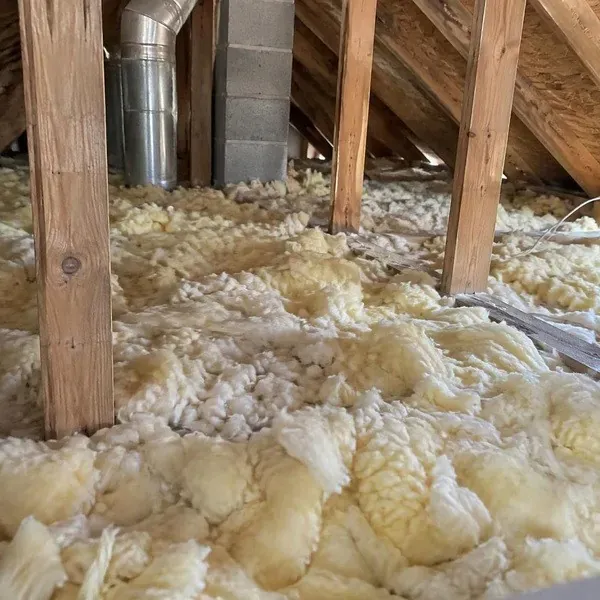
Long attic with closed cell spray foam on the roof rafters

Air seal first, then insulate

Attic Insulation and Attic Spray Foam in Guelph

Super Sprayers upgrades attics across Guelph and the surrounding towns, from 1950s bungalows in St. George's Park to newer two-storeys in the south end. Since 2018 we have completed more than 800 insulation jobs, and the lesson from Guelph attics is consistent: most need air sealing far more than they need extra depth, because warm air leaking up through pot lights, top plates, bathroom fans and the attic hatch is what causes ice dams and frosty roof nails. Piling on more insulation without sealing those leaks first just hides the problem under a thicker blanket.

This page covers both ways to insulate an attic. In a normal vented attic we seal the floor with spray foam and then blow cellulose or fiberglass to about R-60. In an attic with ductwork, a furnace or a complicated roof full of valleys and dormers, we spray closed cell foam directly to the roof deck and bring the whole space inside the heated envelope.

Our installers are CUFCA certified, WSIB covered and follow the CAN/ULC-S705 installation standard on every foam job. We also check for vermiculite before anything is disturbed, and we can explain how the Home Renovation Savings Program's attic rebate works so you know whether your upgrade qualifies before you book.
  • In business since 2018
  • 800+ jobs completed
  • WSIB covered, licensed and insured
  • 2-year labour warranty
  • 5-star Google rating

Signs Your Attic Is Letting Heat Escape

Old loose fiberglass insulation covering an attic floor

Two Ways to Insulate an Attic

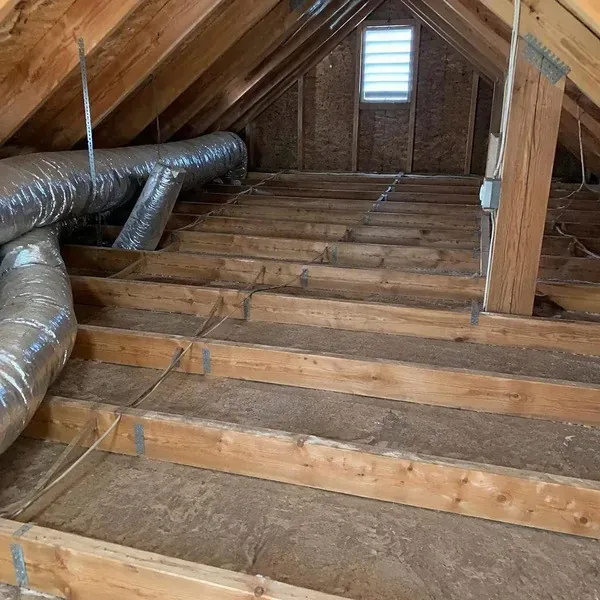
Attic floor prepared and air sealed before blown-in insulation

Vented Attic: Seal the Floor, Then Blow In

This is the right answer for most Guelph houses. We spray foam around top plates, plumbing stacks, wiring holes and the attic hatch, then box and seal around pot lights. Baffles go in at the soffits so air can still vent the roof.

Finally we blow in cellulose or fiberglass to about R-60 and mark the depth with rulers you can check.

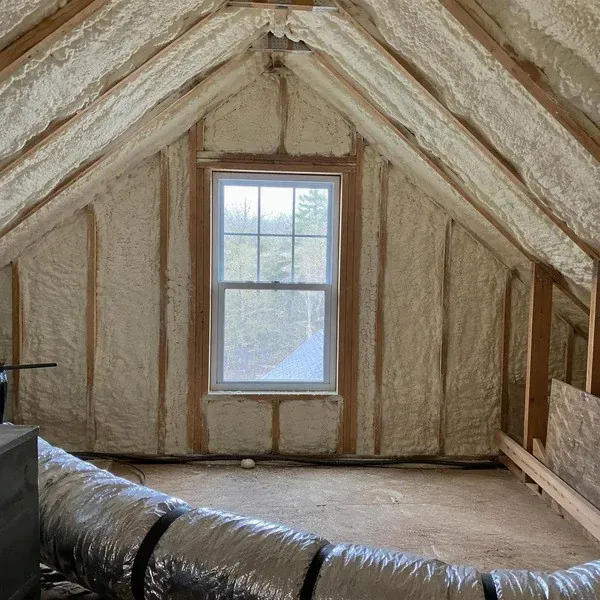
Finished attic spray foam insulation around a small gable window

Unvented Attic: Spray Foam at the Roofline

When ducts or a furnace sit in the attic, or the roof has so many valleys and dormers that venting is unreliable, we move the insulation to the roof. Closed cell foam goes directly on the underside of the roof deck and the gable walls.

The attic becomes conditioned space and the ductwork stays warm. The vents are sealed as part of the design.

Stopping Ice Dams at the Source

An ice dam forms when warm air leaking into the attic melts the snow on the upper roof. The meltwater runs down to the cold overhang and freezes, and the ice builds until water backs up under the shingles. Heating cables and raking the roof only treat the symptom.

Sealing the air leaks keeps the roof deck cold, and good soffit ventilation keeps it that way. Spray foam is the best tool for the sealing part, because it fills irregular gaps that tape and caulk miss.

How Much Insulation a Guelph Attic Needs

Ontario's energy efficiency standard for new homes, SB-12, calls for about R-60 in an attic. Here is how that compares with what we usually find.

Current depth of old fiberglassApproximate R-valueRecommendation
Under 4 inR-12 or lessAir seal, then top up to R-60
4 to 8 inR-12 to R-25Air seal, then top up to R-60
8 to 12 inR-25 to R-38Air seal, then top up if rebate eligible
Over 16 inR-50 and upAir seal only if leaks are found

Actual R-values vary with material and settling. The R-value guide explains the numbers.

Old Attic Insulation: Top Up or Remove?

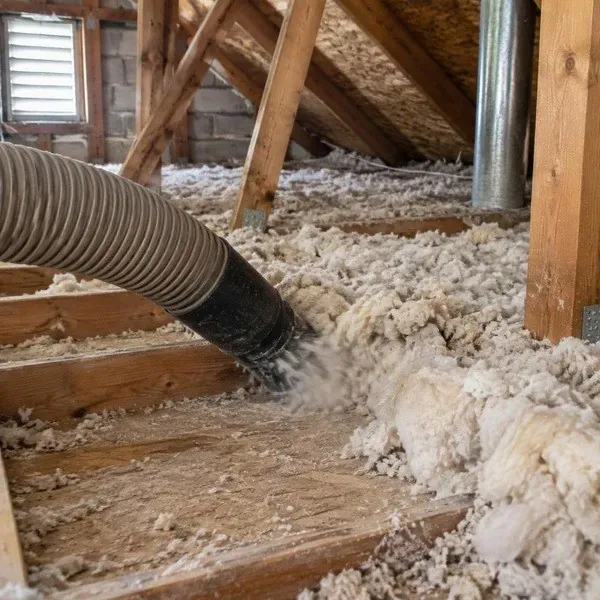
Most attic insulation can stay and be topped up once the leaks are sealed. It comes out when it is wet, mouldy, full of mouse droppings or so compacted that sealing underneath is impossible. In those cases we vacuum it out as part of our insulation removal service.

Grey-brown, pebbly vermiculite is a different story. It must be tested for asbestos before anyone disturbs it, as explained on our asbestos and vermiculite page.

Vacuum hose removing old loose insulation from an attic floor

Attic Rebates Under Home Renovation Savings

The Home Renovation Savings Program offers a standalone attic rebate of up to $1,250 without an energy assessment, or up to $750 for cathedral ceilings. The work has to be done by a participating contractor and meet the program's starting and finished R-value rules. Our Ontario rebates guide explains who qualifies and the November 30, 2026 end date.

Attic Questions

Should I spray foam the roofline or add blown-in?

If your attic is empty of ducts and equipment and vents well, sealing the floor and adding blown-in costs less and works very well. Spray foam at the roofline makes sense when ductwork, a furnace or a complex roof sits in the attic.

How much does attic insulation cost in Guelph?

An air seal and blown-in top-up on a typical house costs far less than spraying the whole roofline. The cost guide shows current ranges for both approaches.

Will better attic insulation stop ice dams?

Air sealing combined with good ventilation stops most ice dams. Extra insulation alone often doesn't, because the warm air still leaks through.

What if my attic has vermiculite?

Don't disturb it. Have it tested first, and if it contains asbestos it has to be removed under Ontario's asbestos regulation before new insulation goes in.

Free estimate

Book a Free Attic Check

We'll look at your attic, measure the insulation depth, find the leaks and tell you whether a rebate applies.

Call NowFree Quote