Testing first, removal done properly
Asbestos and Vermiculite Insulation Removal in Guelph
Super Sprayers arranges testing and removes vermiculite and asbestos-containing insulation from attics, walls and basements in homes across Guelph and the surrounding area. Many houses built before the 1990s in Guelph, Kitchener and Cambridge still have vermiculite in the attic, and much of what was sold in Canada came from a mine known to contain asbestos. Since 2018 we have completed more than 800 insulation jobs, and finding vermiculite is one of the most common reasons an attic upgrade has to pause.
If you think you have vermiculite, the most important thing is to leave it alone. It is usually safe while undisturbed and sealed away from the living space, but storing boxes on it, running new wires through it or trying to vacuum it out yourself can release fibres into the house. The right order is always to test first, then decide.
When removal is needed, the work follows Ontario Regulation 278/05, the provincial rule for asbestos on construction projects and in buildings. That means containment, negative air pressure, HEPA filtration, protective equipment and sealed disposal at an approved site. Our crews are WSIB covered and insured, and we can reinsulate the attic as soon as it is cleared.
- In business since 2018
- 800+ jobs completed
- WSIB covered, licensed and insured
- 2-year labour warranty
- 5-star Google rating
How to Recognize Vermiculite Insulation
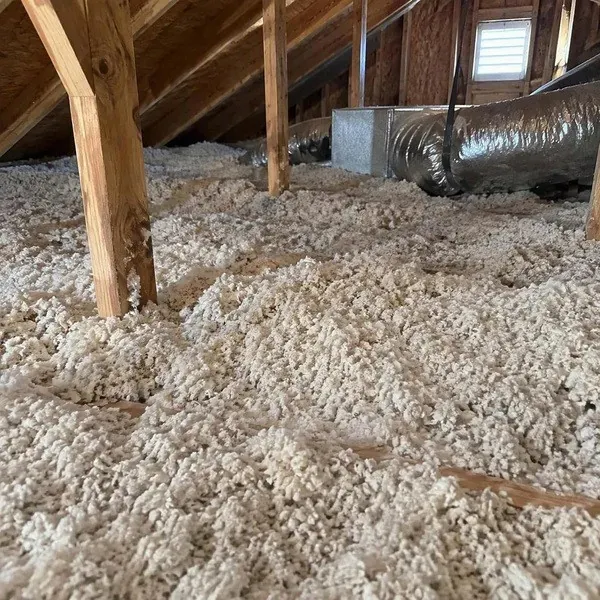
Vermiculite looks like small, lightweight pebbles or flakes, usually grey-brown, silvery or gold. It pours loosely between the attic joists and sometimes turns up in wall cavities too. It looks nothing like fluffy fiberglass or grey, paper-like cellulose.
If you're not sure, take a photo from the hatch without touching anything. We can usually tell from a photo whether it needs testing.
Why Testing Comes First
Health Canada advises homeowners to assume vermiculite may contain asbestos and to avoid disturbing it. Only a lab test tells you for sure. Samples go to an accredited laboratory for analysis.
If the result is negative, the insulation can be treated like any other old loose fill. If it's positive, removal follows the provincial regulation before any other attic work begins.
Ontario Regulation 278/05 and Removal Types
The regulation sorts asbestos work into three types by risk. The classification depends on the material, the amount and the method, and is confirmed for each job.
| Type | Risk level | Examples |
|---|---|---|
| Type 1 | Low | Small, non-friable work such as removing intact asbestos tiles by hand |
| Type 2 | Moderate | Limited friable work, such as small amounts of pipe wrap or removing a ceiling section |
| Type 3 | High | Large friable removals, such as vermiculite from a full attic or extensive pipe insulation |
Each type has its own requirements for enclosures, air handling, protective equipment and training.
Our Removal Process
- 1
Containment
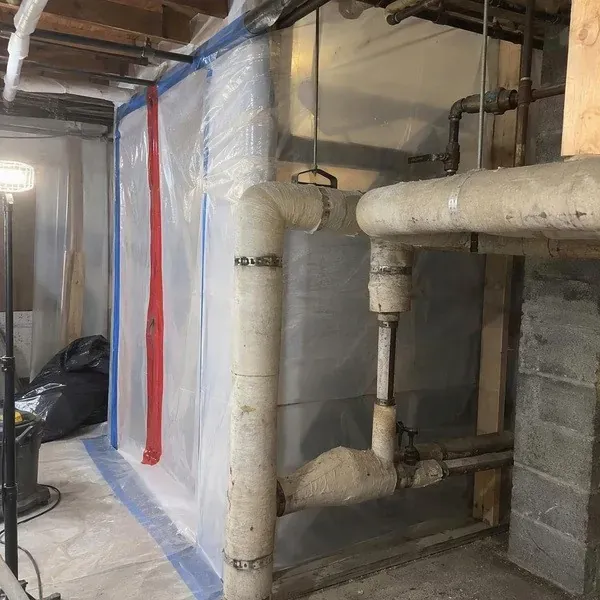
Poly enclosures and zip doors seal the work area from the rest of the house.
- 2
Negative air
HEPA-filtered air machines keep the enclosure at lower pressure so fibres can't escape.
- 3
Protective equipment
Workers wear respirators and disposable coveralls, and decontaminate before leaving.
- 4
Removal
Material is removed with HEPA vacuums or wetted and bagged by hand.
- 5
Sealed disposal
Waste is double-bagged, labelled and taken to a site licensed to accept asbestos.
- 6
Final cleanup
Surfaces are HEPA-vacuumed and wiped before the enclosure comes down.
Other Asbestos Materials in Older Homes
Vermiculite isn't the only asbestos product in older houses. Pipe wrap on old heating lines, insulation on boilers and ducts, some textured ceilings and some older floor tiles can contain it. If you're renovating a home built before 1990, test suspect materials before cutting into them.
Tell us what you've found and we'll confirm whether it falls within the work we handle.
Reinsulating After Removal
Once the attic is clear, we air seal every leak while the joists are bare, which is the best chance you'll ever get. Then new insulation goes in to about R-60. See our attic insulation page for the options.
Asbestos Questions
Is vermiculite dangerous if I leave it alone?
Undisturbed and sealed away from the living space, the risk is low. The danger comes from disturbing it, so avoid the attic and seal any gaps where it could sift into the house.
Do I need to remove vermiculite before selling?
There's no general legal requirement to remove it before a sale, but it has to be disclosed if you know about it, and buyers and insurers often ask for removal. A test result helps the conversation.
Can I stay home during asbestos removal?
For small, contained jobs you often can, away from the work area. For larger attic removals, most families stay elsewhere during the work day.
Related Services and Resources
Free estimate
Arrange Testing and a Removal Quote
Send a photo from the attic hatch without disturbing the material, and we'll arrange testing.
- Call or text226-780-8752
- Emailinfo@supersprayers.ca
- Mon to Sat: 7:00am to 9:00pmSun: 9:00am to 6:00pm