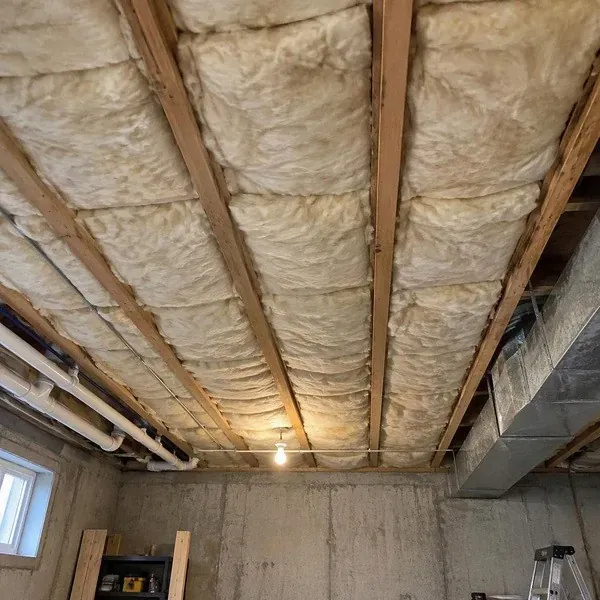
Flash and batt walls
A thin layer of closed cell foam air seals the wall and keeps the sheathing warm, then batts fill the rest. It gets most of foam's air sealing for less money. See our batt insulation page.
An honest comparison
Spray foam is not always the best insulation, and we say that as a spray foam company. Super Sprayers installs closed and open cell foam, blown-in cellulose and fiberglass, fiberglass batts and mineral wool, so we have no reason to push one material over another on any job. Each has places where it's clearly the right choice and places where it simply wastes money, and knowing the difference is part of doing the job properly.
The biggest difference between spray foam and the other options isn't R-value, it's air sealing. Foam insulates and seals in one step, while batts and loose fill slow heat but let air pass straight through unless the gaps are sealed separately. In a leaky older Ontario home, like many of the century houses and postwar bungalows around Guelph, that difference often matters more than any number printed on a label.
This guide compares spray foam with fiberglass batts, blown-in cellulose and mineral wool, including Rockwool, on cost, performance, moisture, sound and fire, using the same criteria for each. It ends with the combinations we use most, because the best result often comes from pairing two materials, each doing the part of the job it does best.
| Factor | Closed cell foam | Open cell foam | Fiberglass batt | Blown-in cellulose | Mineral wool batt |
|---|---|---|---|---|---|
| Relative cost | Highest | Medium | Lowest | Low | Low to medium |
| R per inch | About R-6 | About R-3.6 | R-3.3 to R-3.7 | R-3.5 to R-3.8 | R-4 to R-4.3 |
| Air seal | Yes | Yes | No | Partial when dense-packed | No |
| Vapour control | Yes at 2 in | No | No | No | No |
| Sound | Fair | Good | Good | Good | Very good |
| Fire resistance | Needs thermal barrier | Needs thermal barrier | Good | Good (treated) | Excellent |
| DIY friendly | No | No | Yes | Somewhat | Yes |
Batts cost far less and are easy to install and inspect, but they only work when they fill the cavity perfectly and a separate air and vapour barrier is sealed. In real houses, batts get compressed around wires and cut short around boxes. Spray foam fills every gap automatically.
In a 2x4 wall, closed cell gives about R-21 against R-12 to R-14 for batts. In a deep 2x6 wall with a well-sealed vapour barrier, batts close much of the gap for far less money.
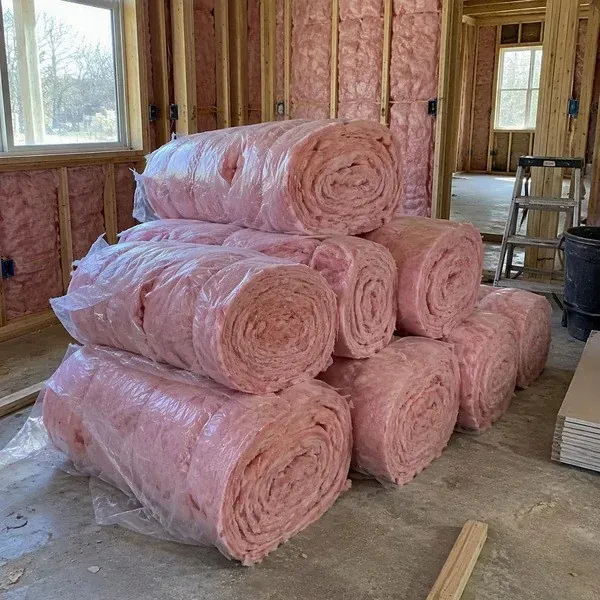
On a vented attic floor, blown-in cellulose is usually the better value. It covers the floor evenly, gets to R-60 affordably and, once the attic is air sealed, performs very well. We recommend it for most attics.
Spray foam wins where cellulose can't go: basements, rim joists, roofs without an attic and anywhere moisture is present. Dense-pack cellulose is a strong alternative to foam in closed walls, as covered on our blown-in insulation page.
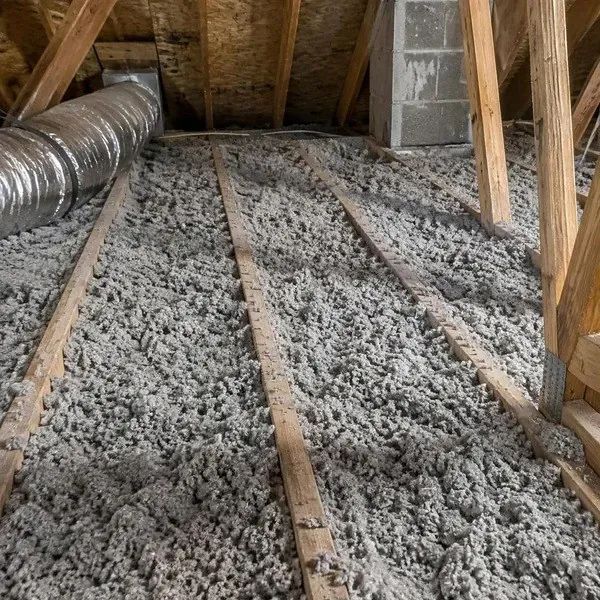
Mineral wool, sold under brands such as Rockwool, is dense, water repellent and highly fire resistant. It's excellent for sound and a good choice around fire separations. Like any batt, though, it doesn't air seal.
Where fire resistance and sound matter most, mineral wool is hard to beat. Where air sealing and moisture control matter most, foam wins.
A thin layer of closed cell foam air seals the wall and keeps the sheathing warm, then batts fill the rest. It gets most of foam's air sealing for less money. See our batt insulation page.
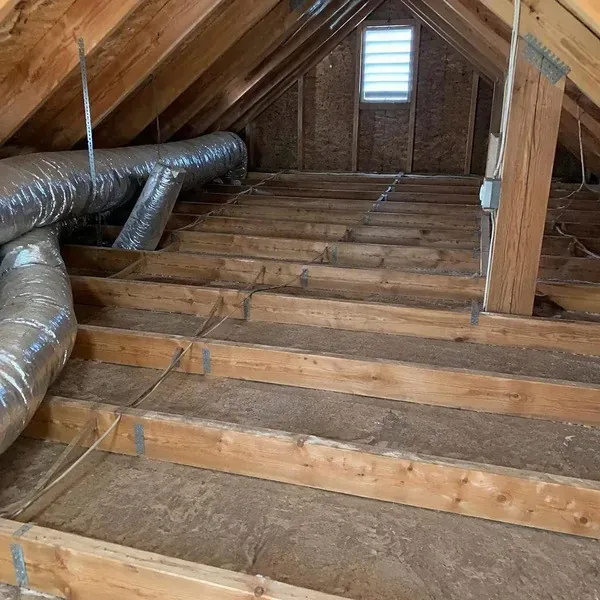
Spray foam seals the top plates, chases and hatch, then cellulose or fiberglass is blown to R-60. This is our most common attic upgrade.
For air sealing, moisture and R-value per inch, yes. For cost, ease of inspection and deep cavities with a good vapour barrier, fiberglass holds its own.
Regular insulation is cheaper up front, often by half or more. Spray foam can close the gap over time in leaky spaces because it air seals, but in a vented attic, blown-in is usually cheaper overall.
Free estimate
Describe the space and we'll recommend the material we'd actually use, even if it isn't spray foam.